Blog
Greenwashing compliance insights, enforcement news, and practical guides for e-commerce

GPSR Checklist and Free GPSR Checker: The Four Things Every EU Product Page Must Show
Since 13 December 2024, every product offered online in the EU must show its manufacturer, an EU contact if the maker is outside the EU, a product identifier and its safety warnings. What each block needs, where it may sit on the page, and what a German court decided in 2026. Includes a free GPSR check for every product page.

GPSR EU Responsible Person: What Non-EU Brands Must Show, and How to Check It
If the manufacturer is outside the EU, the GPSR requires an economic operator in the EU for every product, and its details must appear on each online offer. Who can take the role, what it does, and what to show on the product page. Includes a free GPSR check for every product page.

GPSR Check for Amazon, eBay and OTTO Listings: What Sellers Must Verify
Marketplaces give sellers fields for the manufacturer, the EU responsible person and safety information, but the seller remains responsible for what shoppers actually see. Where the details appear on each marketplace, what goes wrong, and how to check every listing. Includes a free GPSR check for every product page.

GPSR Warnings Check: Which Safety Information Your Product Pages Must Show
Under the GPSR, warnings and safety information that come with a product must also appear in the online offer, in the shopper's language. Which products usually need them, from toys to cosmetics and electrical goods, and how to show them. Includes a free GPSR check for every product page.
Amazon's Green-Claims Notice: What It Means and How to Fix Your Listings
Amazon sellers in the EU report 'Action Required' notices about environmental claims, with a list of affected ASINs. What the notice reportedly covers, what the law bans and allows with proof, and a clean-up checklist for text, images, A+ content and every marketplace.

EmpCo Checklist for Online Shops: 12 Checks Since 27 September 2026
The EmpCo rules have applied since 27 September 2026, with no grace period for website texts. Twelve checks for an online shop, grouped by where the risk sits: the words, the labels and images, the climate and future promises, and the places claims hide. Each with the rule behind it and what to do.
Your Supplier's Green Claim Is Now Your Claim: What Proof to Ask For
Most environmental claims in an online shop are copied from somewhere: the brand's product sheet, the packaging supplier, the fabric mill, the hosting provider. Since 27 September 2026, the shop that publishes them answers for them. What to ask each supplier for, claim by claim, before you repeat it.

Old Stock and EmpCo: What Austria and Germany Now Allow
Austria and Germany have both added special rules for goods that were already on the market before 27 September 2026. What each rule covers, what it does not, why your website is not part of it, and what the German rule still needs before it applies.
How to Check Product Texts for Greenwashing Before You Publish
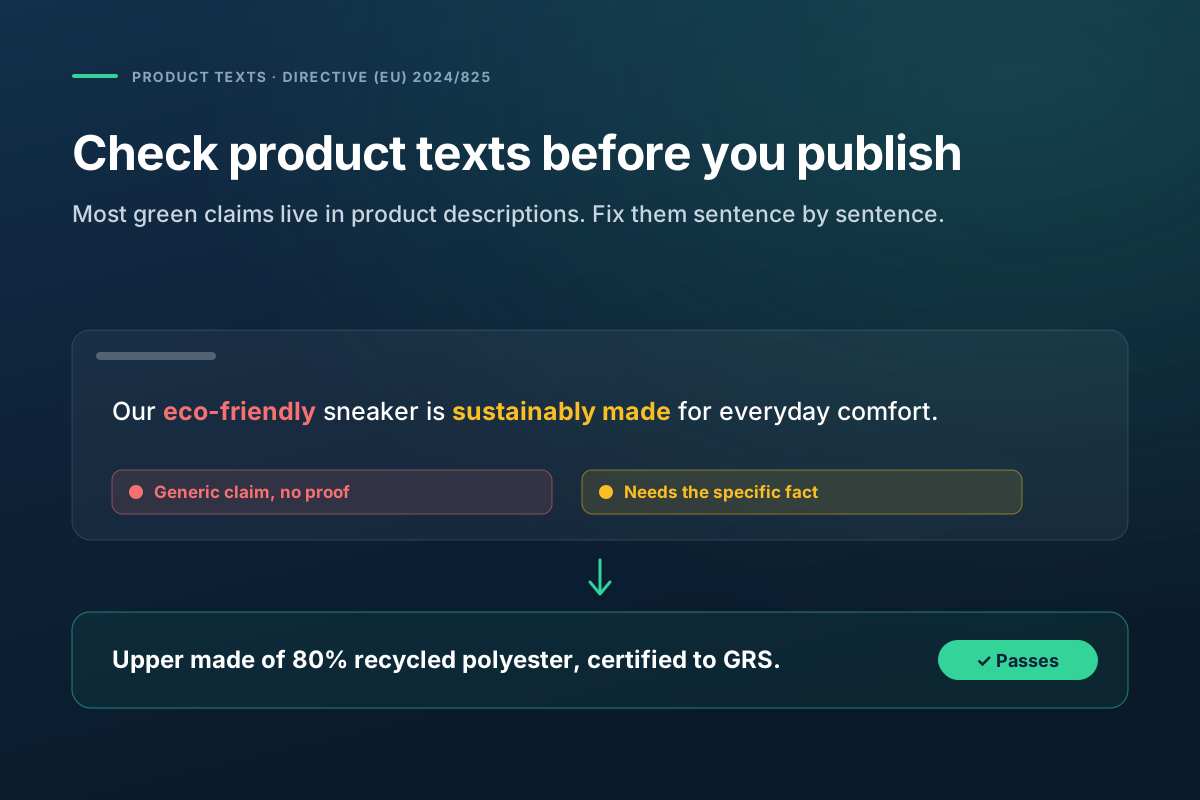
Most environmental claims on an online shop are not on the sustainability page. They sit in product descriptions, category texts and brand texts, often repeated across hundreds of products. The six patterns to look for, a five-minute routine for every text, before-and-after rewrites, and how to test your own wording before it goes live.
Greenwashing Warning Letters in Germany (Abmahnung): Who Can Send One and What to Check
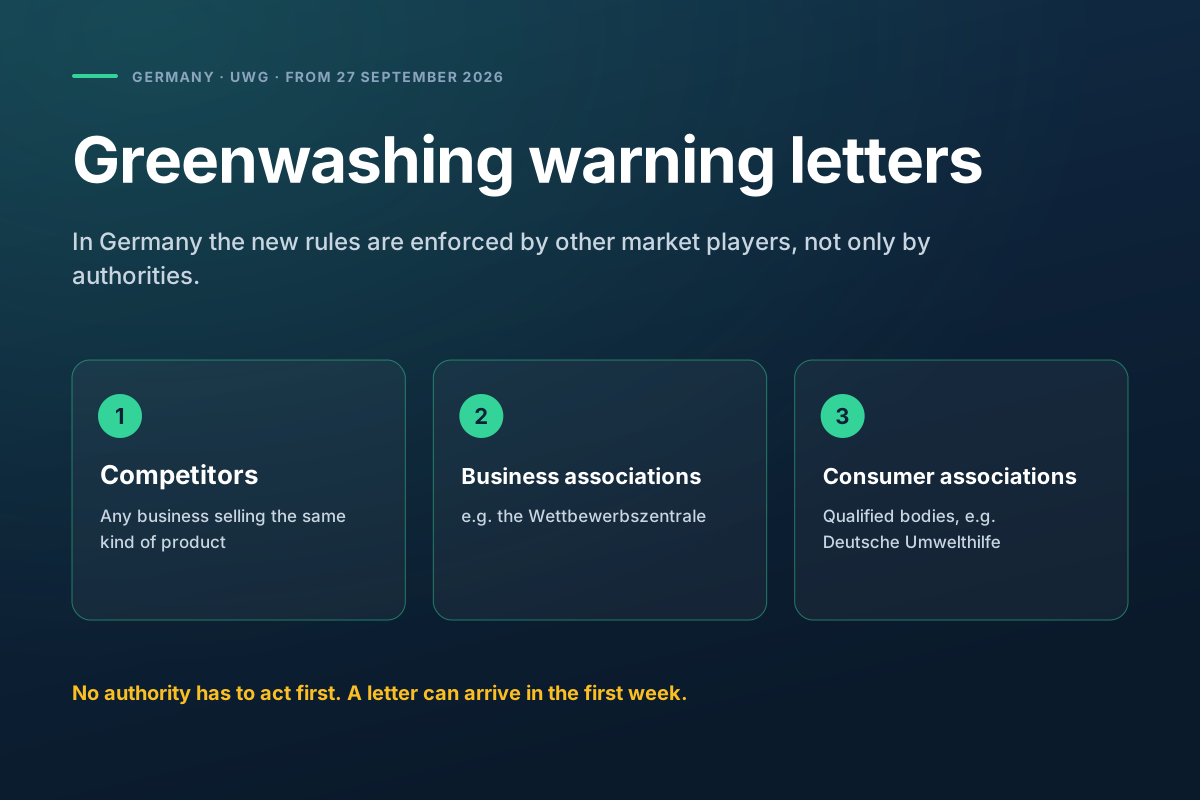
In Germany the new rules on environmental claims are enforced mainly by competitors and associations, through a warning letter called an Abmahnung, not by an authority opening a file. Who can send one from 27 September 2026, what it asks for and costs, why the second letter is the expensive one, and the six things to check on your website first.
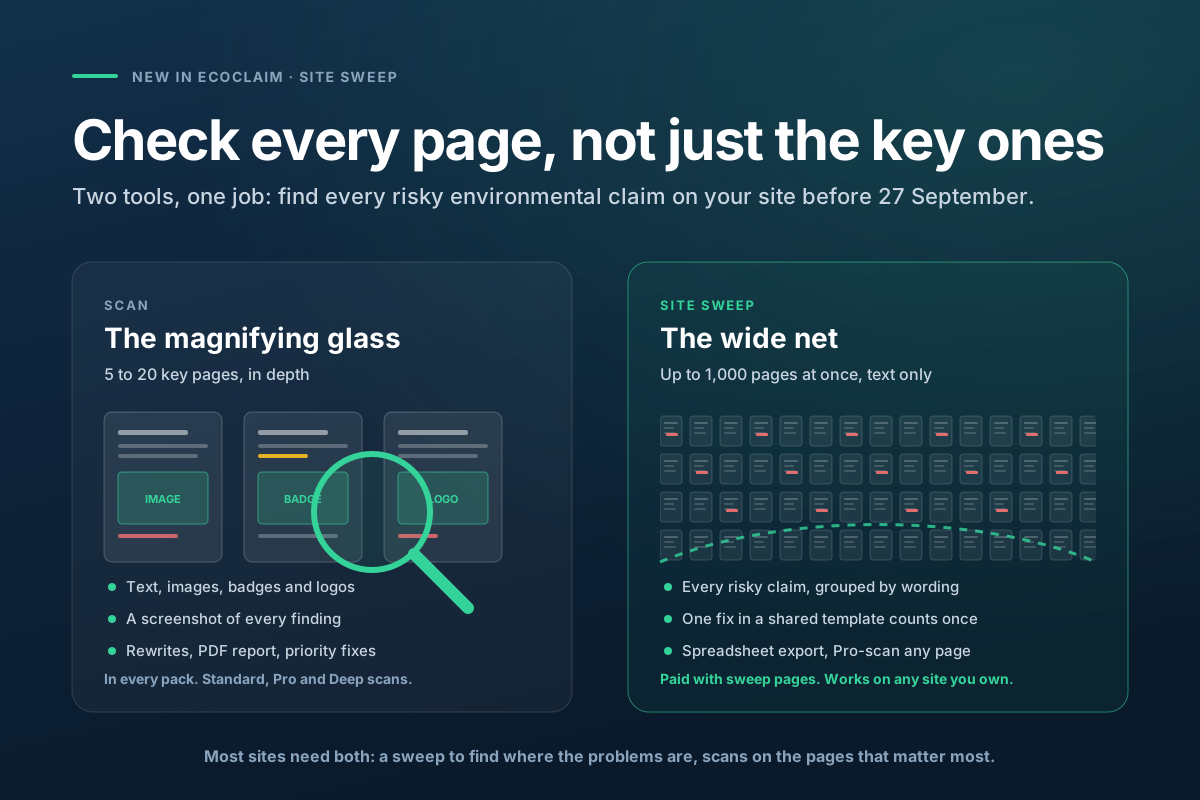
Site Sweep: How to Check Every Page of Your Website for Risky Green Claims
A scan reads your key pages in depth. It cannot tell you what the other 900 pages say. Site Sweep is EcoClaim's new tool for exactly that: it reads the text of up to 1,000 pages in one go and groups every risky environmental claim by wording, so the fix that clears the most pages comes first. Here is what it is, who it is for, how to run one, and how to read the report.

Is Your Sustainability Label Still Legal After 27 September? The Three-Category Test
From 27 September 2026, displaying a sustainability label that is not based on a certification scheme or established by a public authority is a prohibited commercial practice. Across 971 EU website scans since June, one site in three carries a label or badge that fails that test, nine in ten of them designed in-house. Here is the test, what we found, and what to do with the badge on your product images this week.
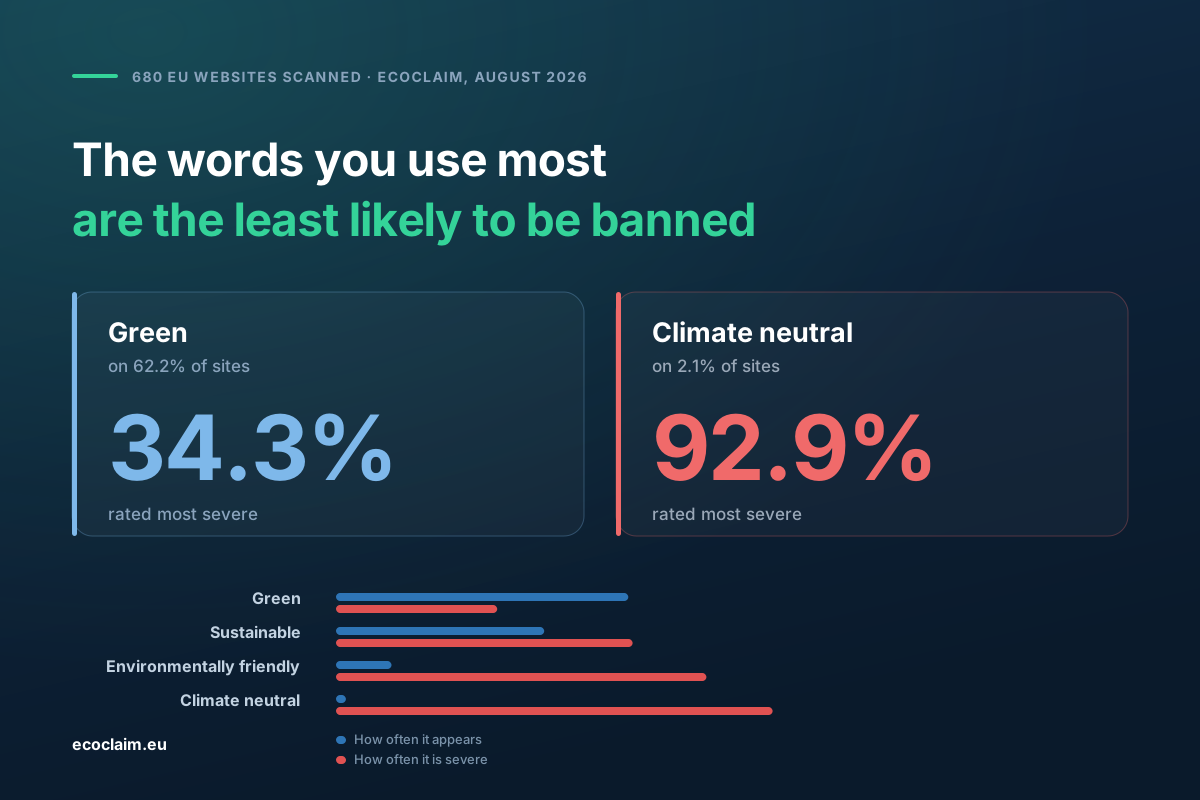
EmpCo Triage: What to Fix First, Ranked by Real Risk
Most sites cannot fix every environmental claim they carry at once. They do not have to. Across 680 scanned EU websites, the words that appear most often are the least likely to be prohibited outright, and the rare ones are near-certain violations. This is the order to work in, ranked by measured risk rather than by gut feeling.

Why Your EPD Won't Save You: Green Claims Rules for Building Materials (2026)
Construction is the best-documented industry in Europe — EPDs, EN 15804, ISO 14025, third-party verified LCA data. And it still fails green-claims checks, because an EPD substantiates numbers, not adjectives. What building-materials manufacturers get wrong under the rules that apply since 27 September 2026, including the B2B exemption that isn't one.

The ECGT Directive Blacklist: Green Claims Banned Outright in 2026
The ECGT Directive (EmpCo, EU 2024/825) applies from 27 September 2026. Annex I is a blacklist of practices unfair in all circumstances — no substantiation rescues them. Which claims are on it, which remain legal with evidence, and why Germany's UWG makes enforcement faster than elsewhere.
Why a ChatGPT Prompt Won't Make Your Product Texts EmpCo-Compliant
Marketing teams are pasting compliance-checker prompts into ChatGPT to audit product copy against EmpCo / ECGT. It is a reasonable instinct and it fails in five specific ways — non-reproducible results, invented legal citations, blindness to images, no substantiation tracking, and no dated record. Here is what a prompt can and cannot do, with a worked example.

79% of EU Websites Still Make Banned Green Claims — 63 Days Before Enforcement
New data from 524 scanned websites: 79% still use generic environmental claims banned under Annex I of EU Directive 2024/825 (EmpCo / ECGT), which applies from 27 September 2026. Average compliance score across all sites is 58/100. Sector benchmarks, the six most common violations, and what the European Commission's own FAQ says about each.
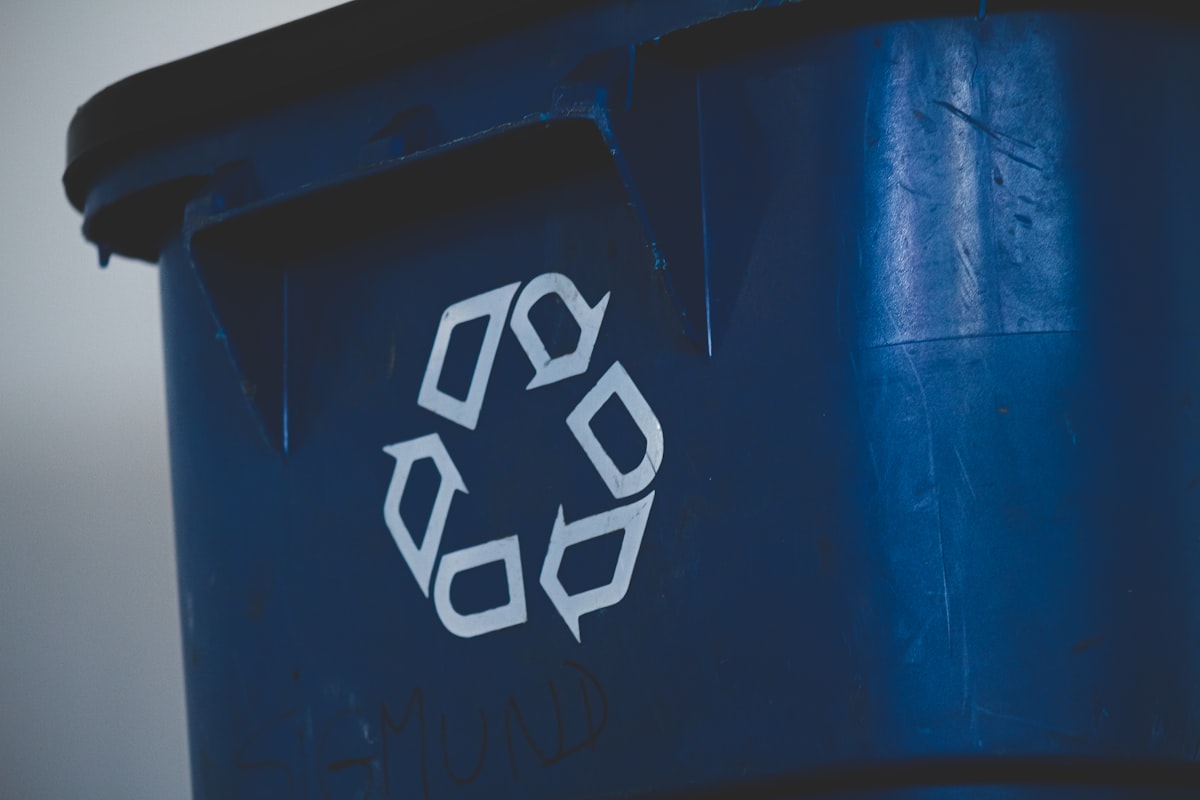
Packaging Greenwashing: Banned EU Claims for 2026
'Recyclable', 'biodegradable', 'compostable', 'plastic-free' — the four words printed on almost every eco-positioned box are also the four the EU is about to police hardest. In 2026 two laws land within six weeks of each other: the PPWR (12 August) and the EmpCo Directive (27 September). Here is exactly which packaging claims are banned, what to say instead, and where they hide in your store.

The EmpCo Corporate Playbook: Compliance Now the Rules Apply
27 September 2026 is 88 days away — the day the EU's Empowering Consumers Directive (EmpCo, 2024/825) becomes enforceable in all 27 member states. For enterprises with thousands of claims across packaging and a dozen country sites, that is a tight runway. Here is the week-by-week Q3 2026 corporate compliance playbook: inventory, risk-tier, rewrite, re-certify, and lock down before the 4%-of-turnover penalty floor kicks in.

EU Greenwashing Deadline 2026: The 100-Day Plan, Now the Rules Apply
On 27 September 2026 the EU's Empowering Consumers Directive (2024/825) becomes enforceable in every member state — about 100 days from now. Generic 'eco' claims, offset-based 'carbon-neutral' labels, and self-made badges become illegal, with a penalty floor of 4% of turnover. Here is the week-by-week 100-day compliance roadmap for online stores.

Greenwashing in Electronics: EU Banned Claims (2026)
From September 27, 2026, EU electronics and consumer-tech brands lose 'carbon neutral', 'energy-efficient', 'eco', 'made from recycled materials' and self-made green badges unless every claim has same-medium proof. Real cases: the Apple Watch 'CO₂-neutral' ban by the Frankfurt court, the EmpCo durability and repairability prohibitions, the Right to Repair Directive — plus the exact compliant rewrite for 15 banned electronics terms.
EU Greenwashing Fines Tracker 2026: Every Major Penalty
A live catalogue of greenwashing fines, injunctions, and court rulings handed down across the EU in 2024–2026 — GLS (€8M), Shein (€1M), Eni (€5M), TotalEnergies (€10,000/day), Apple Watch (Germany), KLM (Amsterdam), and the DGCCRF's 3,000-store sweep. Each case mapped to the exact Annex I provision that will govern enforcement from September 27, 2026.

Italy's Greenwashing Decree 2026 (D.Lgs. 30/2026): The Complete Guide
Italy's Legislative Decree 30/2026 — the Italian greenwashing law — entered into force on 24 March 2026 and applies from 27 September 2026. It transposes EU Directive 2024/825 (EmpCo / ECGT) by amending Articles 18, 21, 22, 23, 48 and 49 of the Italian Consumer Code. AGCM fines reach €10 million per infringement. Cases: GLS Italy €8M, Shein €1M, San Benedetto. Everything Italian and international businesses must do before 27 September 2026.

WooCommerce Greenwashing Compliance: The Complete EU Guide
WooCommerce powers 33% of online stores and is the #1 platform in Italy and across DACH. From September 27, 2026, every 'eco-friendly' string in your product short description, theme template, plugin badge, or WPML translation is a potential 4%-of-turnover fine. Here is the WooCommerce-specific audit playbook.
Greenwashing in Food & Beverage: What's Banned Under EU Law (2026)
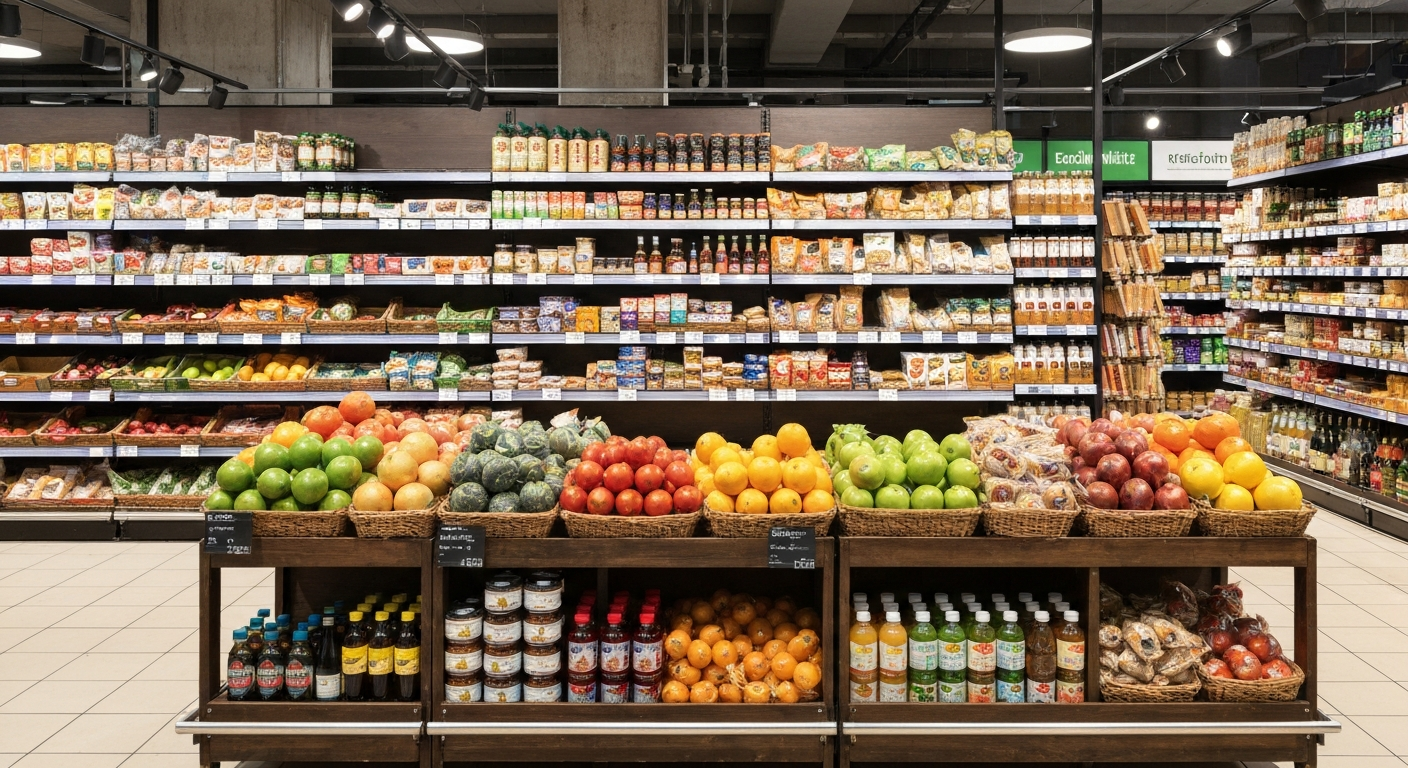
From September 27, 2026, EU food and beverage brands lose 'natural', 'farm-fresh', 'klimaneutral', 'compostable', 'eco-friendly packaging' and self-created sustainability seals unless every claim has same-medium proof. Real cases: Katjes BGH klimaneutral ruling, Lavazza compostable capsules, Innocent's banned 'Little Drinks, Big Dreams' ad, Italian water-sector AGCM fines, Dutch ACM grocery probes — plus the exact compliant rewrite for 14 banned food terms.
US Brands Selling to the EU: EmpCo Compliance Guide 2026
If your US business sells into the EU, the Empowering Consumers Directive (2024/825) applies regardless of where you're headquartered. From September 27, 2026, FTC Green Guides defenses don't survive EmpCo Annex I — and the floor is at least 4% of EU turnover. Here's the cross-jurisdictional gap analysis and a US-merchant audit checklist.
Shein's €1M Fine: A Preview of EmpCo Enforcement 2026
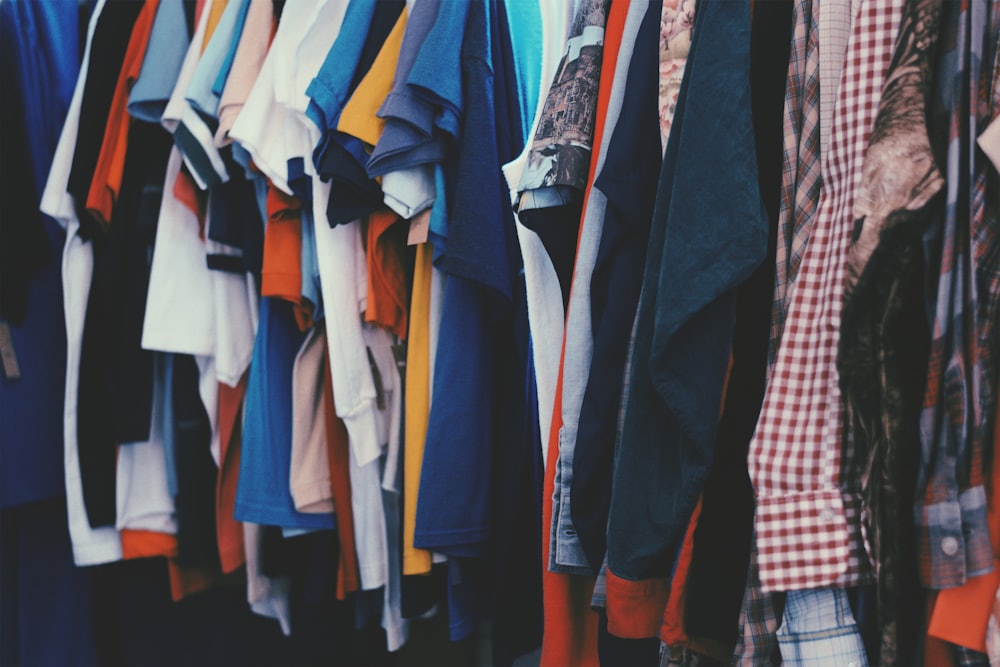
Italy's AGCM fined Shein €1 million in August 2025 for misleading sustainability claims about evoluSHEIN, recyclability, and net-zero pledges. From September 27, 2026, the same conduct under the EU Empowering Consumers Directive (2024/825) carries a minimum 4% of EU turnover — a structural shift every online fashion store should plan for now.
Greenwashing in Cosmetics: What's Banned Under EU Law (2026)
From September 27, 2026, EU cosmetics brands lose 'natural', 'clean', 'biodegradable', 'recyclable bottle' and self-created clean-beauty seals unless every claim has same-medium proof. Innisfree's paper-bottle scandal, L'Oréal Elvive's recycled-cap exclusion, and Garnier's 'Whole Blends' positioning — plus the exact compliant rewrites for every banned cosmetics term.

EU Greenwashing Penalties by Country (2026): What Your Store Risks
Country-by-country breakdown of greenwashing fines under the EU Empowering Consumers Directive (2024/825). Penalty caps in Germany, France, Italy, Spain, Netherlands, and Belgium, plus the 2025 TotalEnergies, FlixBus, and Apple rulings that already shape enforcement.

82 Banned Green Terms Under the EU ECGT Directive (2026)
The complete list of 82 banned and restricted green marketing terms under the EU Empowering Consumers for the Green Transition Directive (2024/825). Organized into 8 legal categories, mapped to specific Annex I articles, with compliant alternatives for each.

Green Claims Directive Withdrawn: 5 Things You Still Can't Say (2026)
The Green Claims Directive was withdrawn by the European Commission in June 2025 — but greenwashing is not legal again. The Empowering Consumers Directive (2024/825) is still binding from September 27, 2026. Here are the 5 specific marketing claims that remain illegal across all 27 EU member states.

Best Greenwashing Compliance Tools 2026: Honest Comparison
Honest comparison of the leading greenwashing compliance tools for EU e-commerce in 2026: EcoClaim, EmpCo Scanner, GreenClaims-Scanner, Senken.io, Devera.ai, GreenGuard AI, GreenClaim.ai and Gilbert RegTech. Term coverage, language support, strengths and best-fit use cases for each.

Replace 'Carbon Neutral' Claims: 12 Compliant Alternatives for 2026
Carbon neutral claims based on offsets are banned across the EU under Directive 2024/825 from September 27, 2026. Here are 12 compliant alternatives — quantified, verifiable, and tied to recognized certification — with the exact phrasing to paste into your product pages.

Is Greenwashing Still Illegal in the EU? 2026 Rules, Deadlines & Fines
Yes — greenwashing remains illegal across all 27 EU member states in 2026, despite the European Commission withdrawing the Green Claims Directive proposal in June 2025. The Empowering Consumers Directive (2024/825) is in force from September 27, 2026, with fines up to 4% of in-country turnover. Here's the complete status.

Greenwashing in Fashion: How H&M, Zara, Boohoo Got Caught (and What Your Brand Should Do)
Greenwashing enforcement against fashion brands accelerated in 2024–2025. H&M's 'Conscious Choice' label was killed by Dutch ACM after a €500,000 settlement. Boohoo signed binding undertakings with the UK CMA. SHEIN was fined €1 million by Italy's AGCM. €41.9M in total fashion greenwashing penalties. Here's what every fashion brand should do before September 27, 2026.
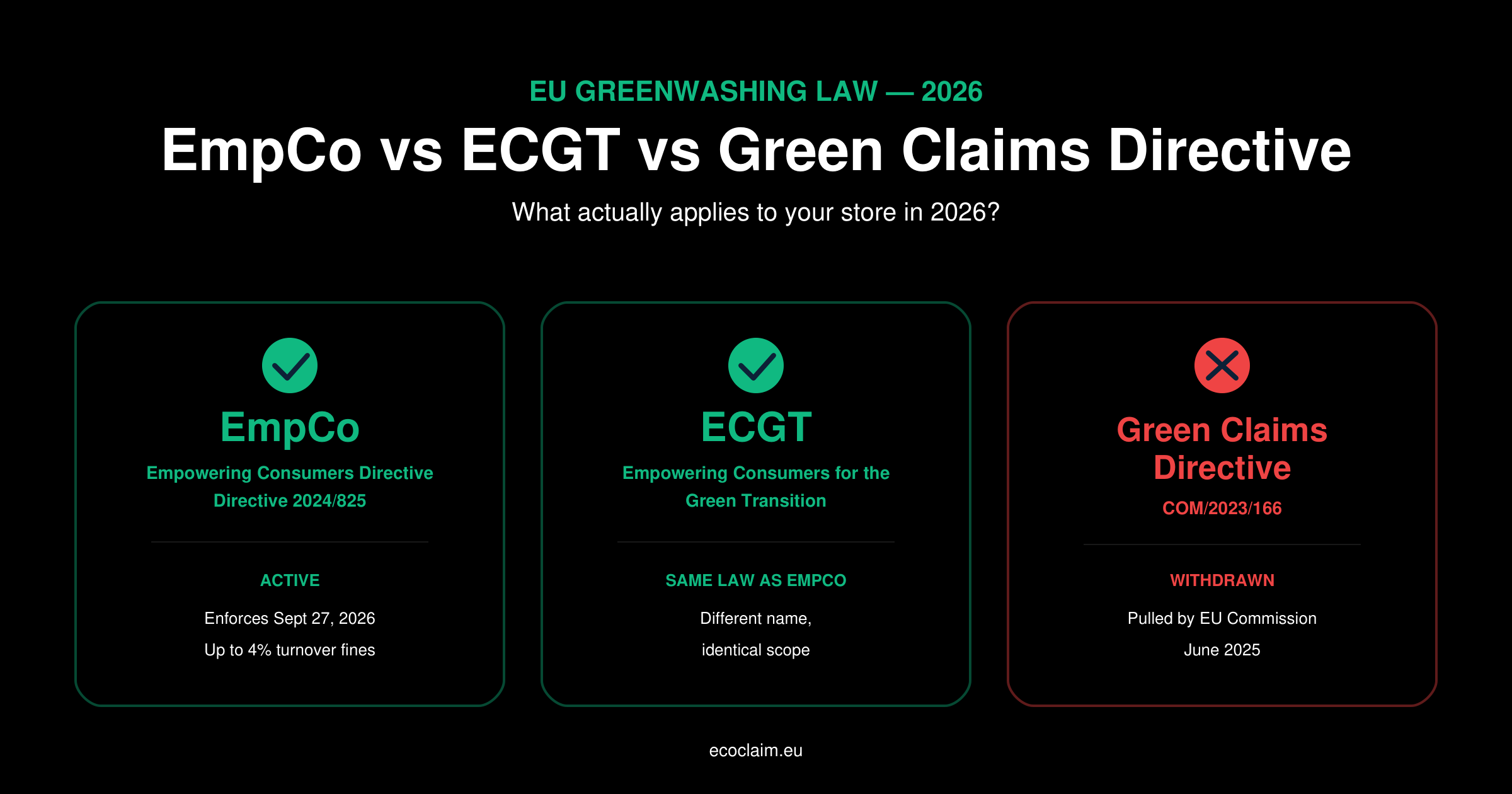
EmpCo vs ECGT vs Green Claims Directive: What Actually Applies in 2026?
Confused about EU greenwashing rules? EmpCo and ECGT are the same active law (Directive 2024/825). The Green Claims Directive proposal was withdrawn in June 2025. Here's what still applies before September 27, 2026.
How to Check Your Website for Greenwashing (Free Scanner)
Step-by-step guide to auditing your e-commerce store for greenwashing violations under the EU Green Claims Directive. Includes a free automated scanner, 82 banned terms checklist, and country-specific enforcement rules.

Shopify Green Claims: How to Comply Before September 2026
How to audit your Shopify store for greenwashing violations under the EU Green Claims Directive (2024/825). Covers product descriptions, collection pages, theme text, and common Shopify-specific violations with a step-by-step compliance checklist.