GPSR Warnings Check: Which Safety Information Your Product Pages Must Show

The fourth block every EU product page must show under the GPSR is the one shops overlook most: warnings and safety information. Article 19(d) says the offer must show any warning or safety information that has to be on the product, its packaging or the accompanying documents, in a language consumers in that country can easily understand.
This post explains which products usually need warnings and how to show them. The other three blocks are in our GPSR checklist. EcoClaim's free GPSR check flags product pages whose product type normally carries warnings when none are shown.
If a warning is printed on the product, the box or the instructions, it belongs on the product page too, in the language of the market. If a product carries no warnings, there is nothing to add.
Which products usually need warnings
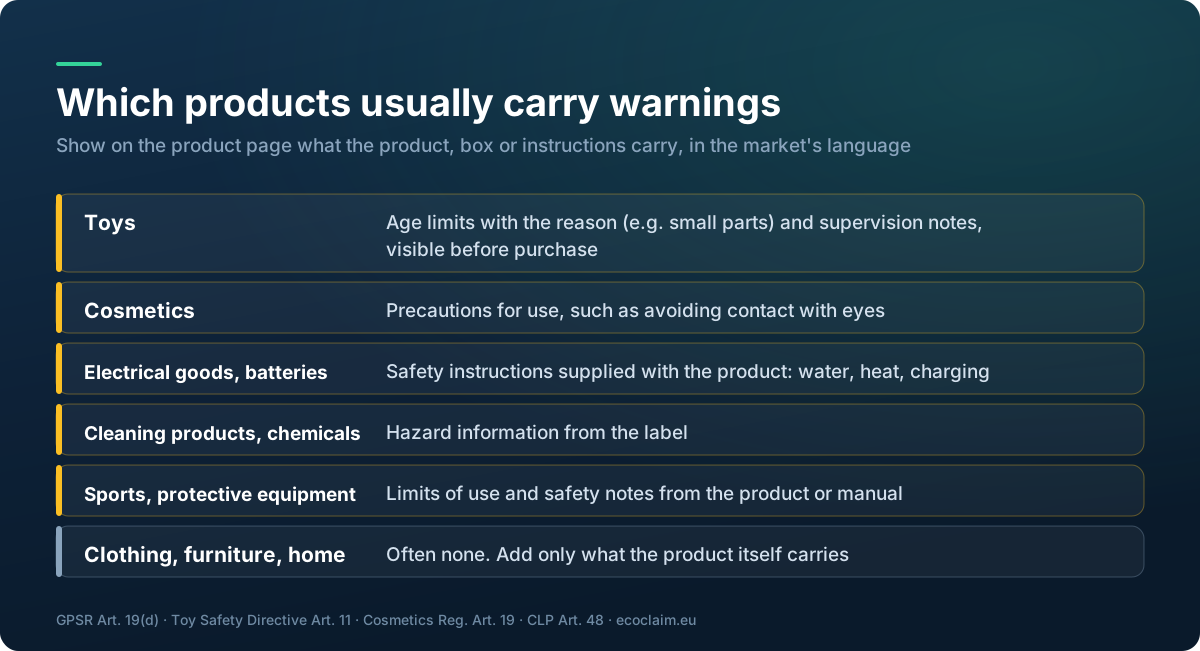
Toys. The Toy Safety Directive (2009/48/EC, Article 11) already requires warnings that affect the purchase decision, such as minimum or maximum ages, to be visible before purchase, including online. Typical examples are age limits with the reason (small parts) and notes such as 'use under the direct supervision of an adult'.

Cosmetics. The Cosmetics Regulation (EC) 1223/2009 requires particular precautions for use on the pack, such as 'avoid contact with eyes'. The industry body Cosmetics Europe's guidance (November 2023) confirms that GPSR Article 19 applies to cosmetics sold at a distance alongside the Cosmetics Regulation, so those precautions belong in the online offer.
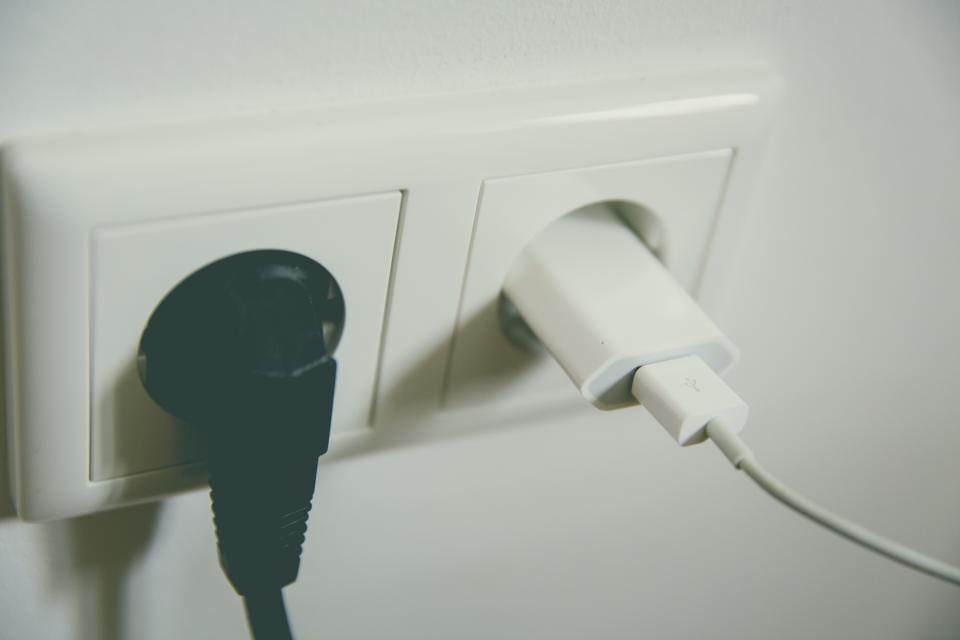
Electrical goods and batteries. Safety instructions and warnings supplied with the product, for example on water, heat or charging, belong on the offer.
Cleaning products and other chemicals. Under the CLP Regulation (EC) 1272/2008, offers for hazardous mixtures sold at a distance must give the hazard information. Copy the hazard information from the label.
Sports and protective equipment. Limits of use and safety notes from the product or manual belong on the offer.
Most clothing, furniture and home goods. Often there are no warnings at all. Don't invent any: add only what the product itself carries.
In which language
Warnings must be in a language easily understood by consumers, as determined by the Member State where the product is sold. In practice: German on a German shop, French in France, Italian in Italy. Warnings only in English on a German product page, or only in a photo of a foreign-language label, don't meet the requirement. In countries with several official languages, such as Belgium, follow the language rules of the region you sell to.
How to show them
- Copy the text from the product, box or manual into a 'Safety information' section in the product description or details. A tab or accordion on the product page counts.
- Use real text, not only a photo of the label. Text can be read by every shopper and translated per market.
- Keep the wording of the original warning. Don't shorten or soften it.
- Do it per market language, and per variant if variants carry different warnings.
- If a product carries no warnings, you don't need to add anything. Some shops add 'This product carries no safety warnings' to make it explicit.
Free GPSR checker: scan and fix every product page
Warnings are where a simple text search fails, because the right answer depends on the product. In an EcoClaim scan, an AI step reads each product page, decides whether the product type normally carries warnings, and checks whether they appear and in which language. Where warnings are partly shown, it gives advice rather than a finding. It never invents a specific warning text you must use, and when it cannot tell, the result is 'Couldn't confirm'.
The safety check is free in every scan from an EcoClaim account, and re-checking after you add the warnings is free too.
Run a free GPSR check
Run a scan and see which product pages need warnings and whether they are shown in the right language. Free in every scan, re-check included.
Check my product pagesSources
FAQ
My product has no warnings. Do I need to add something?
No. Article 19 only requires the warnings and safety information that come with the product. If there are none, there is nothing to add.
Is a photo of the label enough?
It is risky. Shoppers may not be able to read it, it may be in the wrong language, and it cannot be adapted per market. Real text in a safety section is the safe choice.
Which language do I need?
A language easily understood by consumers in the country where you sell, as that country determines. On a German shop, that means German.
Do clothes need warnings?
Usually not under the GPSR. Textile fibre labelling is a separate rule. Add warnings only if the garment carries them, for example on children's clothing with cords.
How does EcoClaim decide whether a product needs warnings?
An AI step reads the product page and judges whether that product type normally carries warnings. If it is unsure, it says 'Couldn't confirm'. It never tells you a specific warning text is legally required.
Free account
Keep your compliance work in one place
Scans you run while signed out disappear when you close the tab.
- Save every scan and come back to it later
- See whether your score improves after you fix things
- Store certificates against the claims they prove